By Mercy Adi
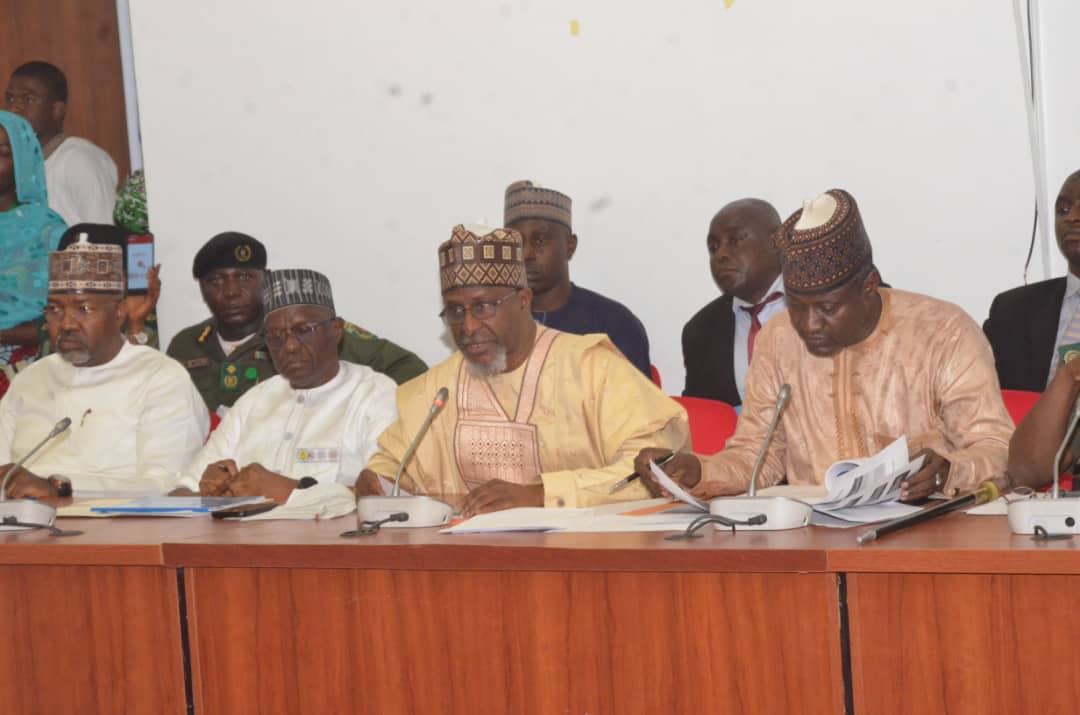
The Senate Committee on Environment has begun the budget defence of the Federal Ministry of Environment as part of the National Assembly’s consideration of the 2026 Appropriation Bill.
Chairman of the committee, Senator Olubiyi Fadeyi, said during the session that the environment remained critical to national health, economic stability and security, stressing that sustainability was key to Nigeria’s long-term development.
Fadeyi expressed concern over what he described as persistent underfunding of the ministry and its agencies despite rising environmental challenges such as oil pollution, erosion, coastal flooding, deforestation, biodiversity loss and general environmental degradation.
He noted that although the 2025 recurrent budget recorded appreciable performance, capital releases were significantly constrained.
The lawmaker said warrants were issued for major projects but were not backed with cash, a development he warned could undermine project implementation.
According to the ministry’s presentation, the proposed 2026 budget stands at ₦65.96bn, largely a rollover of the 2025 allocation in line with directives from the Budget Office of the Federation.
The committee observed that a significant portion of the capital vote was already tied to ongoing externally funded programmes, including the Agro-Climatic Resilience in Semi-Arid Landscapes project, leaving limited funding for other urgent environmental priorities.
Fadeyi called for improved funding mechanisms and urged the consideration of a Special Intervention Fund to strengthen the ministry’s capacity to deliver on its mandate.
He also stressed the need for Nigeria to meet its climate-related financial obligations to attract international climate financing and deepen global environmental partnerships.
In his presentation, the Minister of Environment, Balarabe Abbas Lawal, outlined key interventions undertaken by the ministry, including flood and erosion control projects, solar-powered boreholes, renewable energy initiatives, implementation of the clean cooking policy and forest conservation efforts.
Lawal raised concerns over the impact of rising sea levels on coastal communities.
“I can confidently say that a large number of population, particularly around the coastal areas, have disappeared because of the rising sea levels. We need to do more in that area,” he said.
The minister added that the clean cooking policy was designed to reduce deforestation and address health risks associated with indoor smoke exposure.
He noted that many rural women were exposed to heavy smoke while cooking, which medical experts have linked to serious respiratory illnesses.
The committee assured the ministry of continued legislative support while reaffirming its commitment to transparency, accountability and effective oversight of appropriated funds.
Fadeyi said the committee remained committed to working with the executive to achieve a cleaner, safer and more sustainable environment for Nigerians.